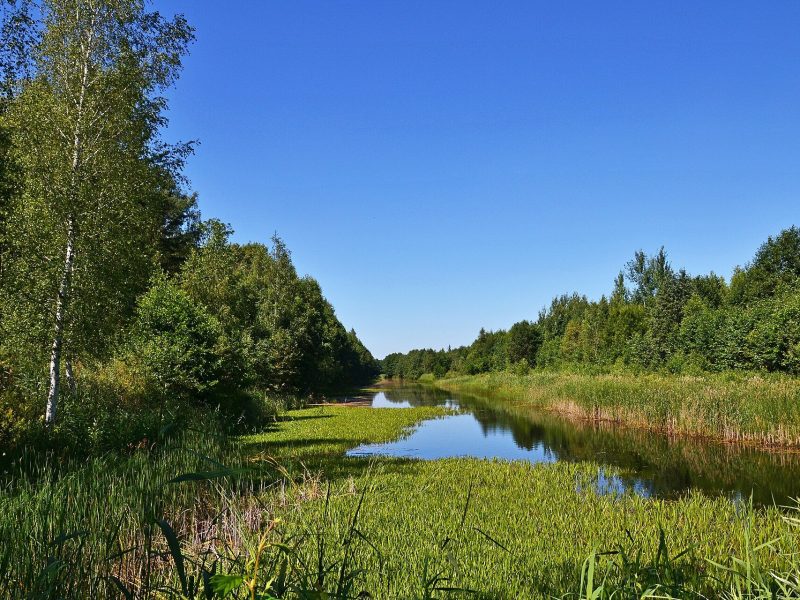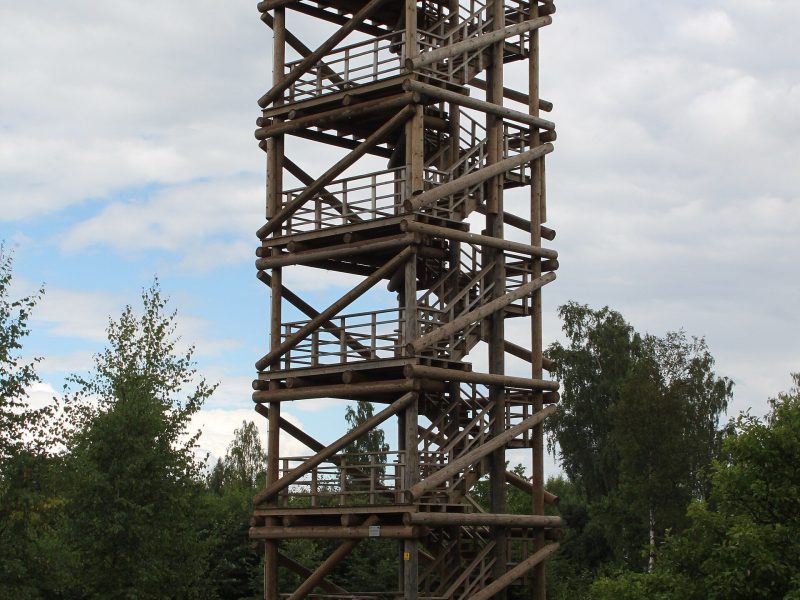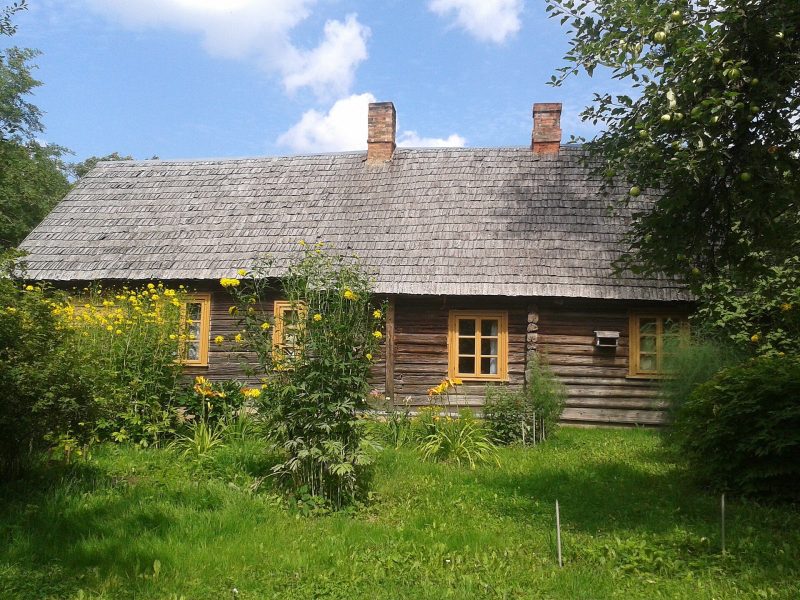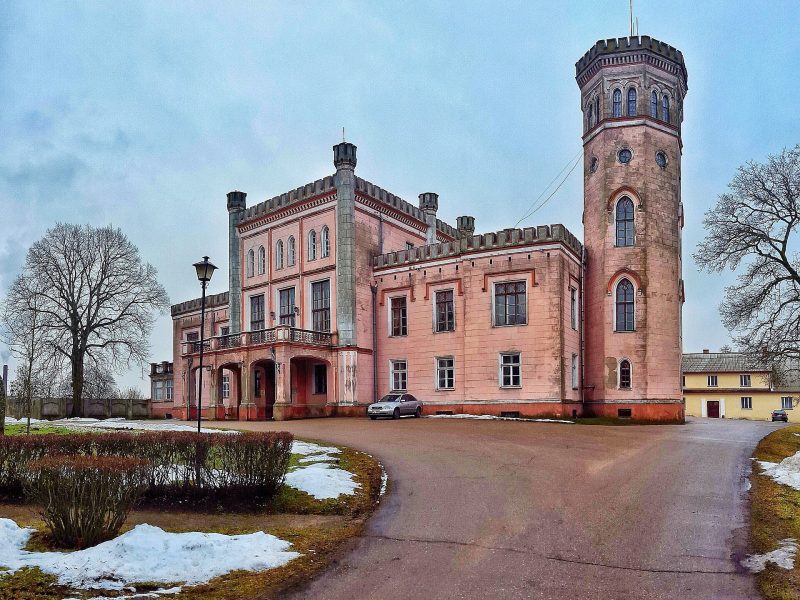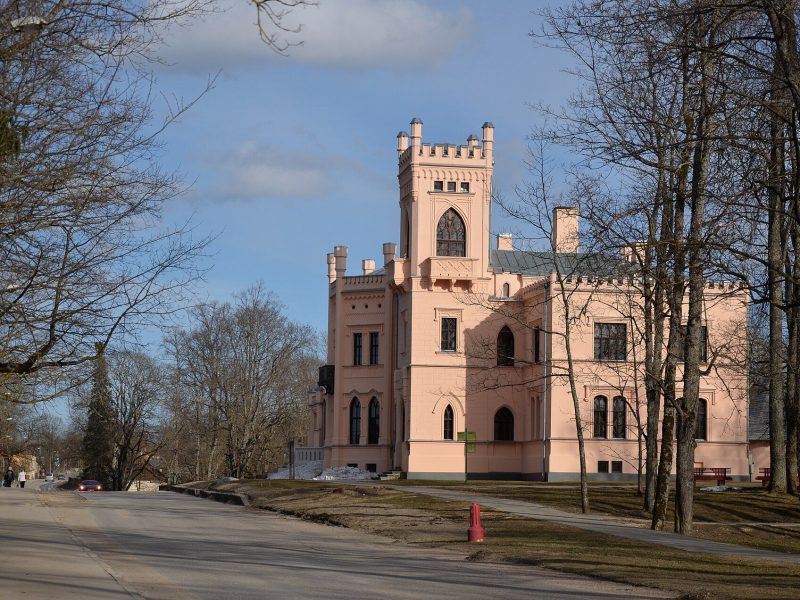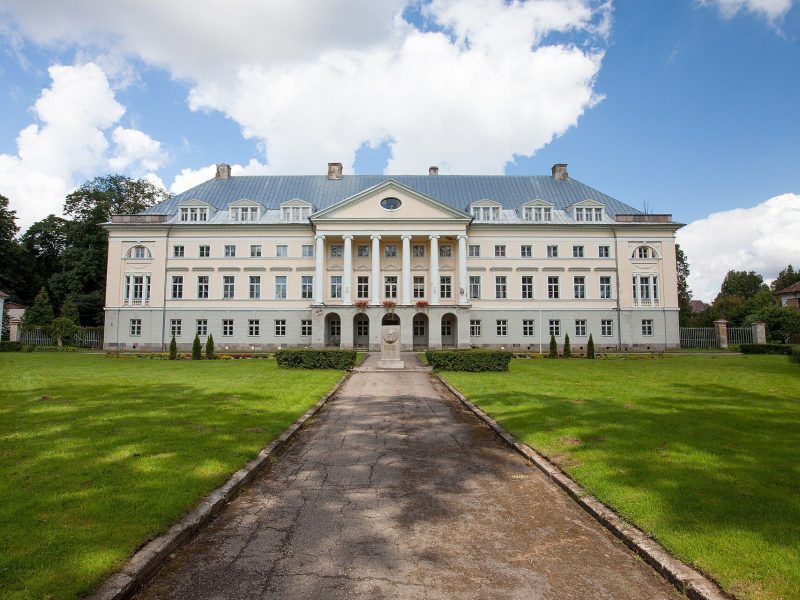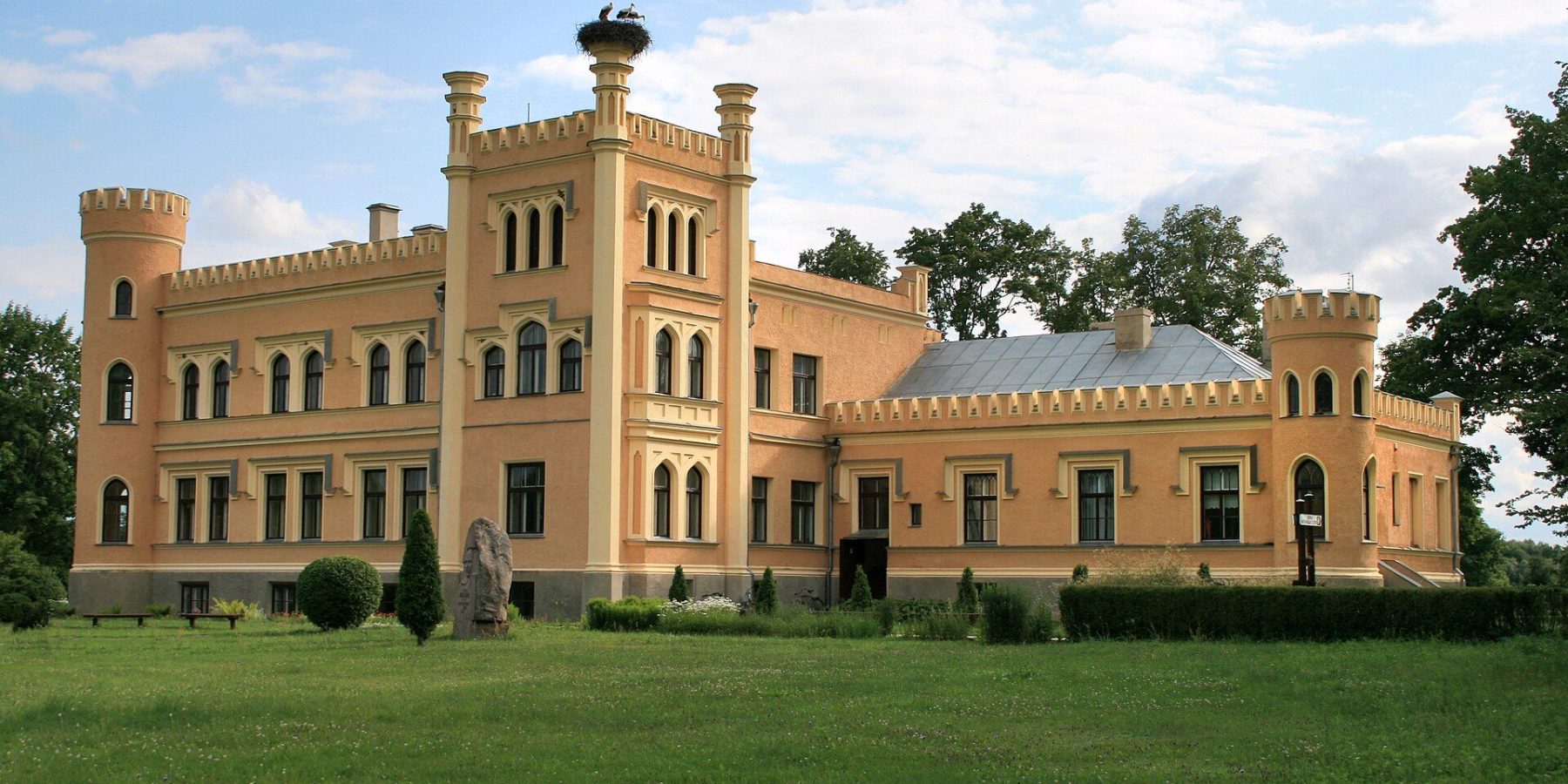
Gārsene Manor stands in a small village on the Dienvidsusēja river, just a few kilometres from the Lithuanian border, and locals call it the pearl of Sēlija. Sēlija is one of Latvia’s least-visited historical lands, which is exactly why you can still find here what the big manors lost long ago — a quiet park, empty corridors and a ghost story told without hurry. The Neo-Gothic house was built for Baron von Budberg and now holds a tourist information centre, an exhibition and even a hostel.
At a glance
| Location | “Labieši”, Gārsene, Gārsene parish, Jēkabpils Municipality |
| Built | 1856–1860, Neo-Gothic; lower wing added in 1885 |
| Owners | The von Budberg family (from 1583 until the 1920 land reform) |
| Highlights | Manor rooms, Budberg family exhibition, Dutch tiled stove, park and nature trails |
| Distance | ~161 km from Riga, 11 km from Aknīste, 53 km from Jēkabpils |
| Contact | +371 26367150, garsenespils@jekabpils.lv |
Home of the Budbergs
Gārsene’s story begins in 1583, when Gotthard, Duke of Courland and Semigallia, granted the estate to his stable master Gotthard Budberg. The family ran it for eleven generations, until the land reform of 1920. Baron von Budberg built the present house in 1856–1860. The architect is unknown; the manor’s own website says it was modelled on a villa somewhere in Germany.
The two-storey main block with its rounded corner tower and entrance porch came first. In 1885 a second, lower wing was added because Baron Leonard and his first wife, an English baroness named Gertrude (Ģertrūde Vorsa in Latvian sources), found the house too small. From 1940 to 2015 the building housed the Gārsene primary school, so many rooms were altered, but the façade keeps its original look.
What to see
The treasure inside is a stove of white glazed tiles with cobalt-blue drawings — the only 19th-century work of art in the house to survive in its original form. The Dutch-made tiles show sea and windmill scenes, and no two are alike. The stove was restored in 2016 with support from the State Culture Capital Foundation. Guided tours tell the Budberg story, and the veranda is used as an exhibition hall.
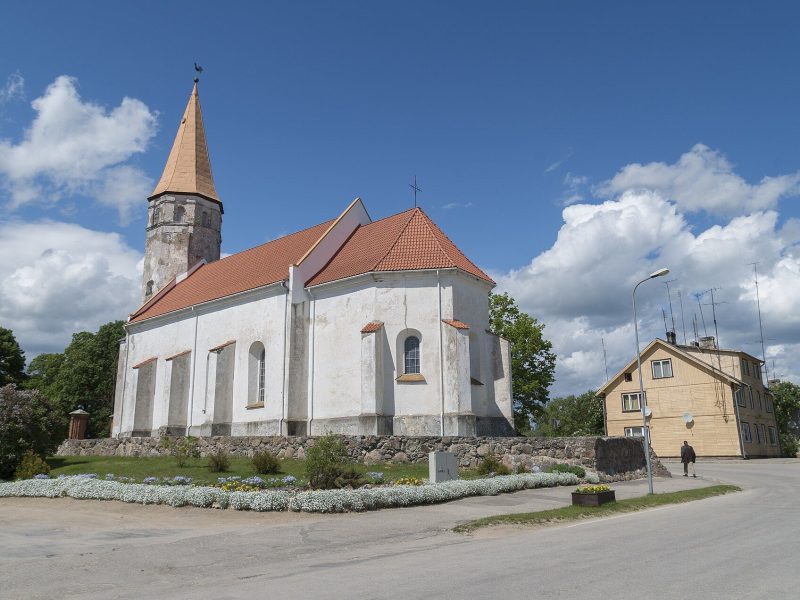
In front of the house are gate pillars and a parade courtyard with farm buildings, including an old granary and a stable with an arcade. Walking trails with footbridges and picnic spots follow the Dienvidsusēja valley; trail tickets are sold at the tourist centre in the manor. In the village, look into Gārsene Lutheran Church, which the baron built in 1904 as a tribute to his wife Gertrude: it has stained glass with the family heraldry and an E. F. Walcker organ installed in 1906. The Budberg chapel stands in the village cemetery.
Outside the manor a 24/7 touch-screen guide tells the estate’s history through an AI character, the manor gardener Hermanis, and an augmented-reality app lets you “meet” the resident ghost, the Blue Lady.
Did you know?
The upper floor and the extension have hostel-style rooms, so you can actually spend the night in Gārsene Manor — and, according to the staff, the Blue Lady makes herself felt mostly after dark.
Visiting
- Getting there: by car, ~161 km from Riga; ~53 km south of Jēkabpils via Aknīste. Public transport is sparse, so plan on driving.
- Opening hours: according to the manor’s website, in season (May–October) daily 11:00–18:00 except Mondays; October–May on weekdays, weekends by appointment. Book group tours in advance.
- Price: ask for current ticket prices on +371 26367150.
- Time needed: 45–60 minutes for the house, about 2 hours with the park and trails.
- Combine with: Sunākste Stender Church and the Jaunsudrabiņš Museum “Riekstiņi”; on a longer trip, the Dviete floodplain.
FAQ
Who built Gārsene Manor?
Baron von Budberg, in 1856–1860. The Budbergs owned Gārsene from 1583 until 1920. The architect is not known.
Can you stay overnight at Gārsene Manor?
Yes — there are hostel-style rooms in the extension and on the upper floor; book through the manor or Booking.com.
Is the manor open in winter?
From October to May it opens on weekdays; at weekends only by prior arrangement.
Sources: garsenespils.lv (About, Excursions, Contacts); visit.jekabpils.lv (Gārsene Castle); lv.wikipedia.org “Gārsenes pils”, “Gārsene”. Opening hours change — check the official site before you go.