Jēkabpils is a town on both banks of the Daugava and in two historic regions at once: Selonian Jēkabpils on the left bank and Latgalian Krustpils on the right. It’s the best base for exploring Sēlija — a medieval castle, a Selonian farmstead, a UNESCO heritage point and an old town dating from the 17th century. About 140 km from Riga.
At a glance
| From Riga | ~140 km south-east by road |
| Getting there | Car via the A6, bus or train on the Riga–Daugavpils line (Krustpils station). Check vivi.lv and autoosta.lv |
| Time needed | 1 day for the town; +1 day for the Sēlija countryside |
| Top sights | Krustpils Castle, the Selonian Farmstead, Old Town Square, the Holy Spirit Monastery, Struve Park |
| Tourist info | Jēkabpils TIC, Vecpilsētas laukums 3, +371 29555950 |
Two towns in one
Jēkabpils on the left bank historically belongs to Sēlija (Selonia), while Krustpils on the right bank is part of Latgale. The two were merged in 1962 but each keeps its own character — so in one day you can explore the history of two regions just by crossing the Daugava.
1. Krustpils Castle
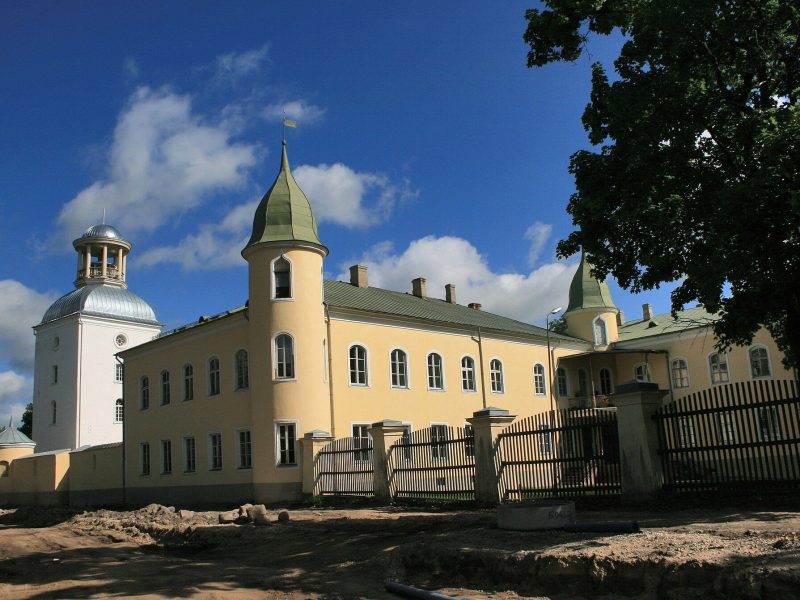
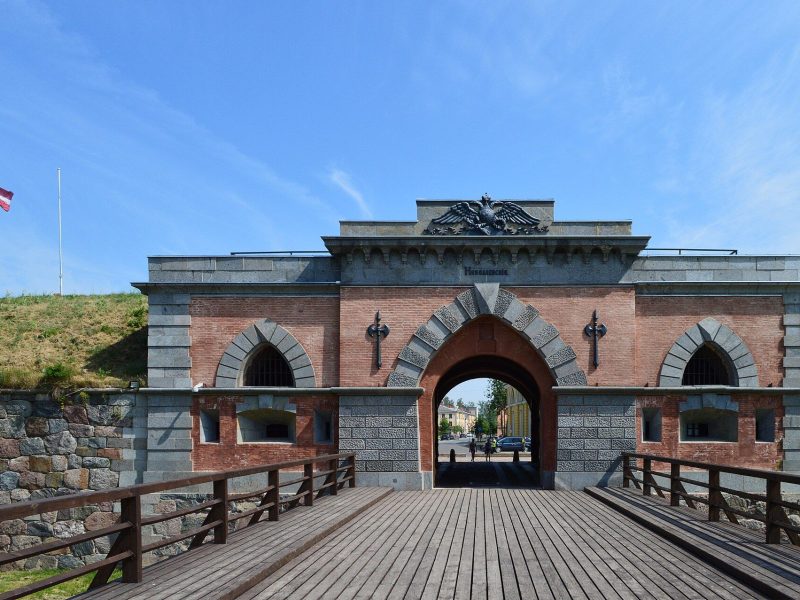
On the right bank stands Krustpils Castle, whose story begins in 1237 when the Bishop of Riga built a stone castle here. It houses the Jēkabpils History Museum, including an exhibition on the Struve Geodetic Arc. See Krustpils Castle.
2. The old town and Old Town Square
The left-bank old town began in the 17th century as an Old Believers’ settlement, and in 1670 Duke Jacob Kettler granted it town rights — hence the name, “Jacob’s town”. The tourist office is on Old Town Square, and the surrounding streets form the Akmeņu iela creative quarter.
3. Holy Spirit Orthodox Monastery
The Orthodox monastery with its church and bell tower is one of the town’s most striking landmarks. Old Believers’, Lutheran and Catholic churches stand nearby, reflecting the town’s multi-faith history. Dress respectfully and mind service times.
4. Selonian Farmstead (Sēļu sēta)
The open-air branch of the Jēkabpils History Museum — a Selonian farmstead of 19th-century buildings: a dwelling house, granary, barn, forge and windmill. The best place to get a feel for rural life in Sēlija; check opening hours on the museum website.
5. Struve Park and the UNESCO point
Struve Park holds one of the points of the Struve Geodetic Arc — a 19th-century chain of survey points from Norway to the Black Sea used to measure the size and shape of the Earth, now a UNESCO World Heritage Site. The park is landscaped, with information about the arc.
6. The Daugava banks
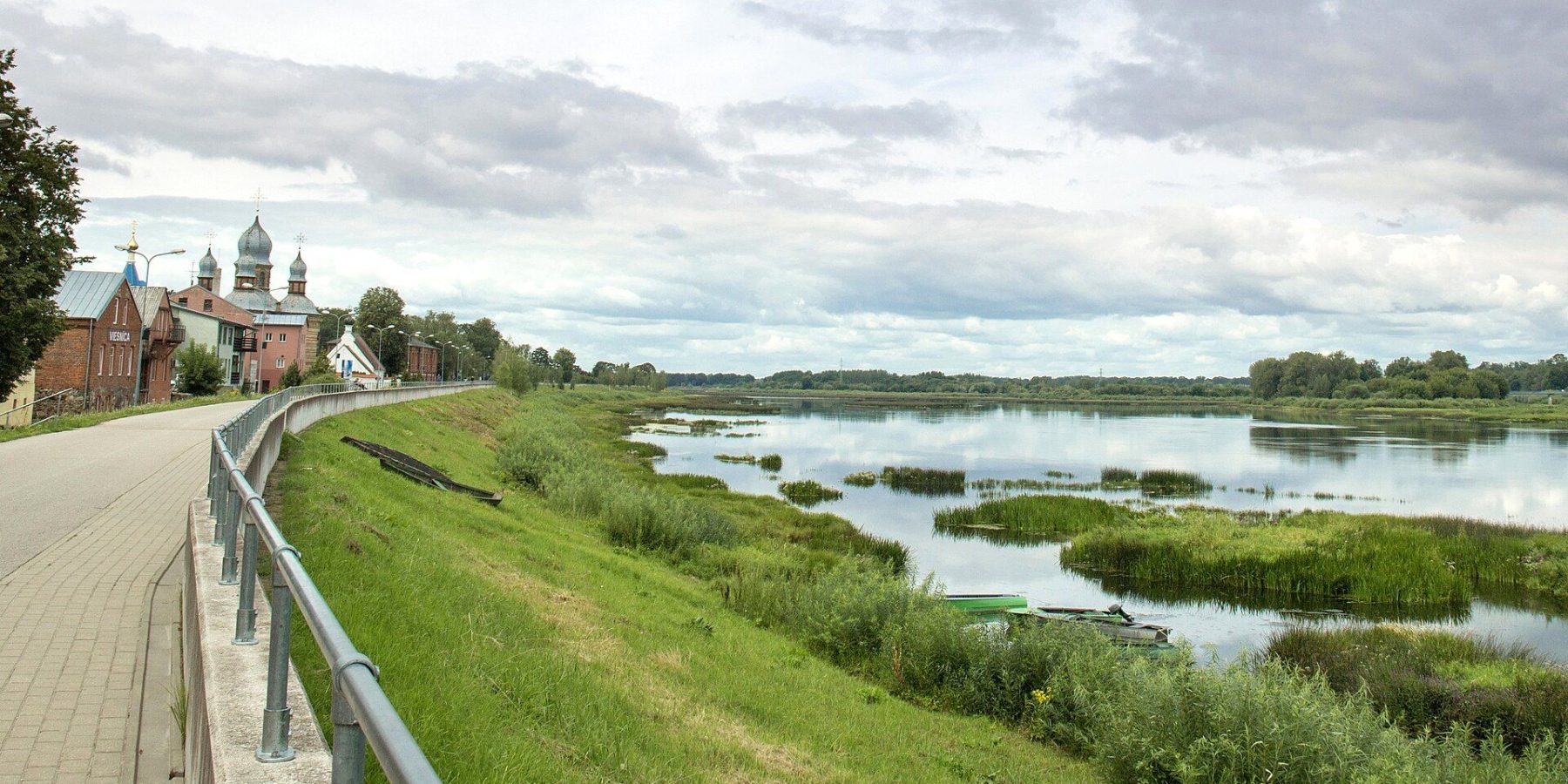
A walk along the Daugava, with views across to the other half of town, is a good way to end the day. The town’s coat of arms shows a lynx — legend says the duke spotted a lynx under a fir tree and the town at the same moment.
Nearby in Sēlija
- Jaunsudrabiņš Museum “Riekstiņi” — the writer’s childhood home.
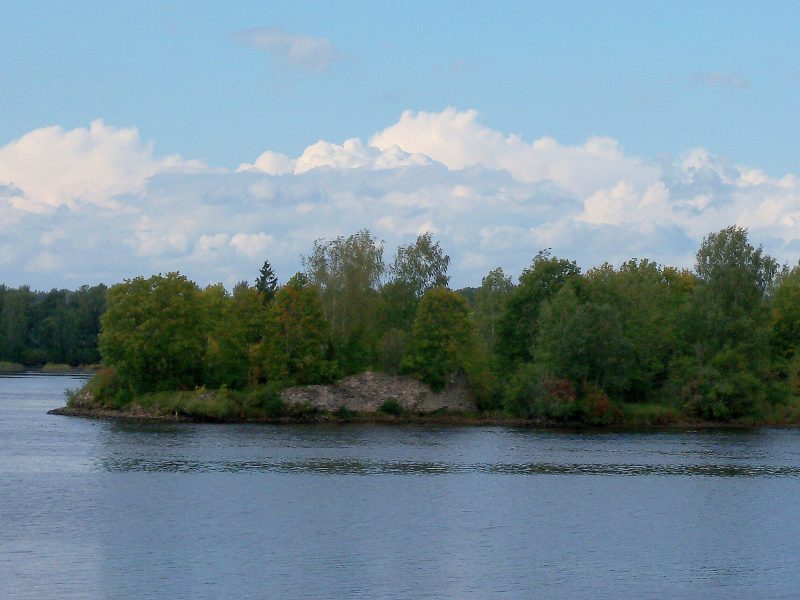
- Sēlpils Castle Mound — an ancient Selonian hillfort above the Daugava.
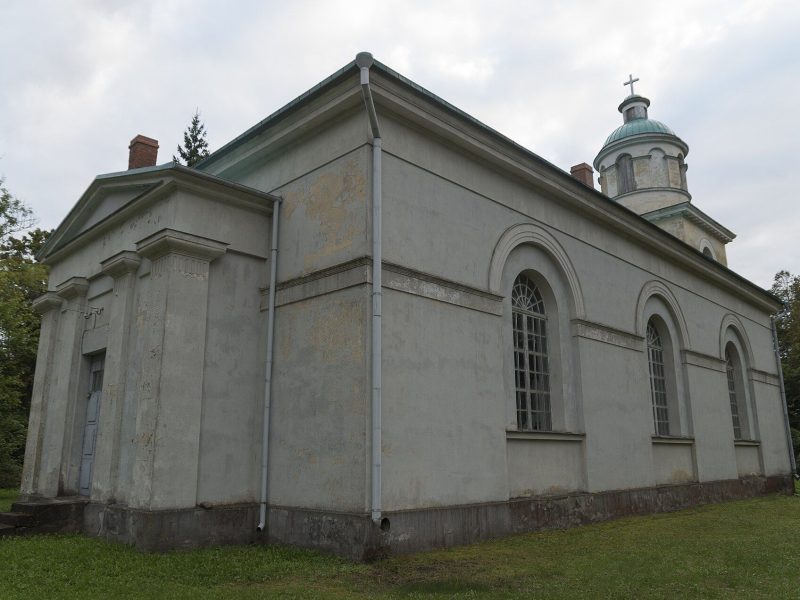
- Sunākste Church — linked with the Stender family of pastors.
- Ormaņkalns, Sēlija’s highest point, and Tadenava with the Rainis memorial museum.
One-day itinerary
- Morning: Krustpils Castle and the history museum (1.5–2 h).
- Midday: across the Daugava to the old town — Old Town Square and the Akmeņu iela quarter.
- Afternoon: the Holy Spirit Monastery, Struve Park and the Selonian Farmstead.
- Evening: a walk by the Daugava or a drive to Sēlpils Castle Mound for sunset.
Did you know?
In Jēkabpils you can stand on a UNESCO World Heritage Site — a point of the Struve Geodetic Arc. Created by astronomer Friedrich Georg Wilhelm von Struve in the 19th century, the chain runs through ten present-day countries.
Practical tips
- Getting around: a bridge links the two halves; between Krustpils Castle and the old town a car or bike is easiest.
- Train: Krustpils station is on the right bank.
- Season: the farmstead and countryside sights are busiest from May to September; check hours off-season.
- Food: cafés are found in both halves of town, mostly in the centre.
FAQ
How far is Jēkabpils from Riga?
About 140 km via the A6. Buses and trains on the Riga–Daugavpils line (Krustpils station) also run.
Is Jēkabpils in Latgale or Sēlija?
Both: left-bank Jēkabpils is historically Sēlija, right-bank Krustpils is Latgale. The towns were merged in 1962.
Where is the UNESCO site in Jēkabpils?
In Struve Park — a point of the Struve Geodetic Arc, part of a UNESCO World Heritage Site.
Sources: visit.jekabpils.lv (TIC, Struve arc points); en.wikipedia.org “Jēkabpils”; Jēkabpils History Museum; latlit.eu (Struve arc project). Hours change — check official pages before you go.