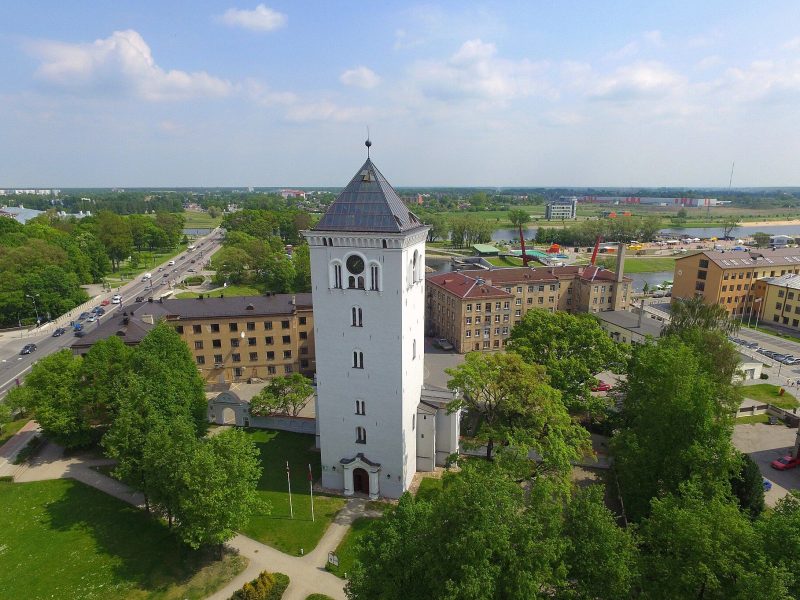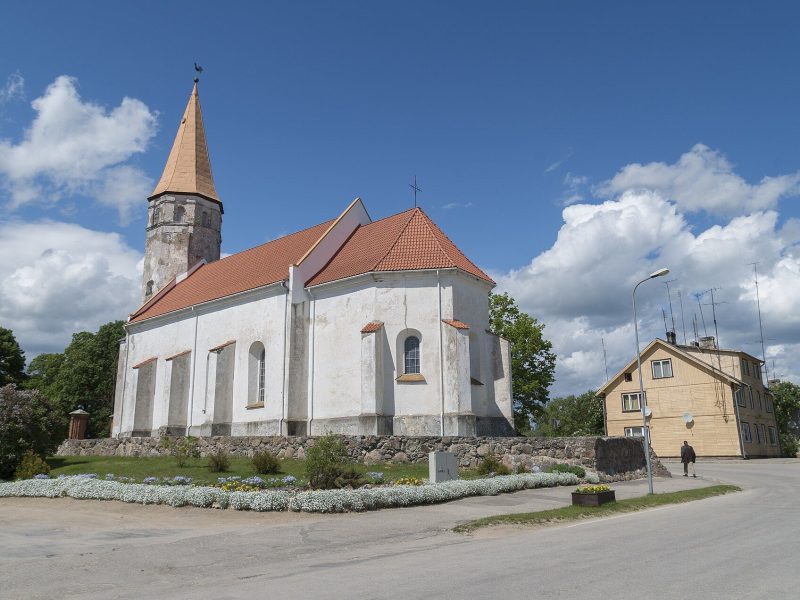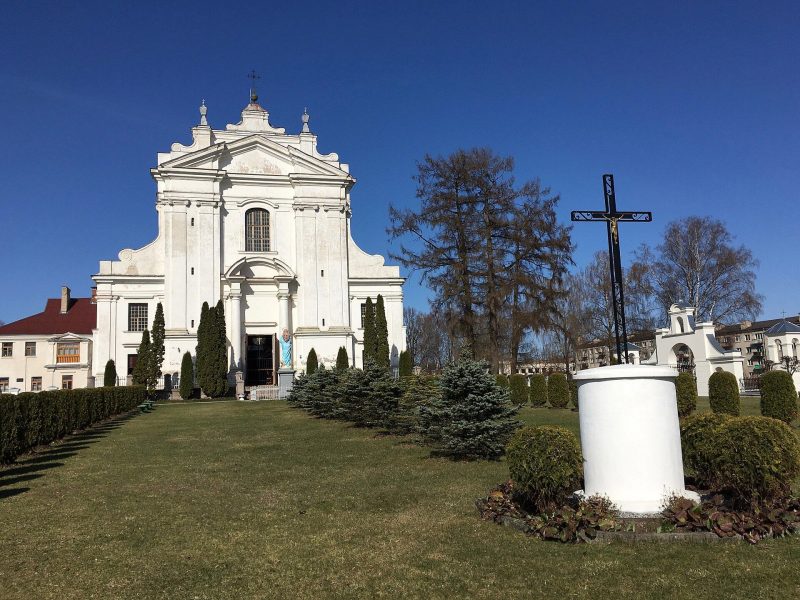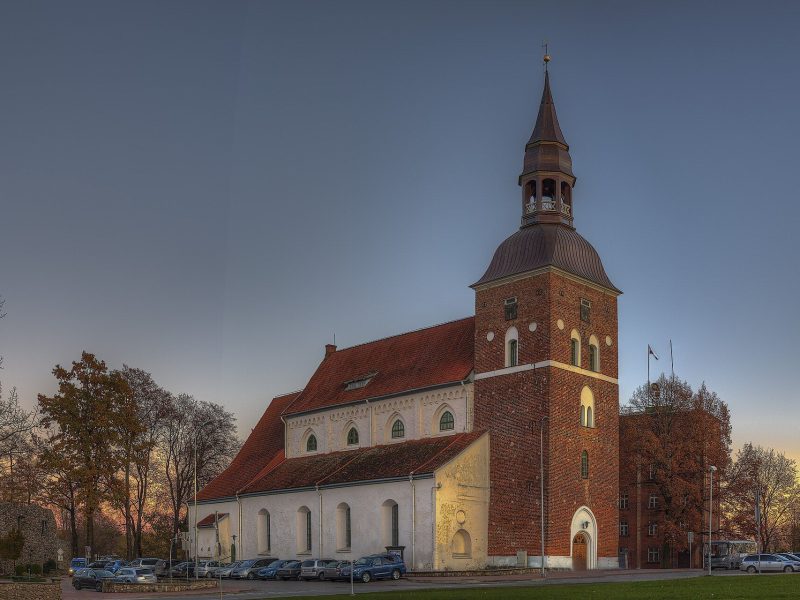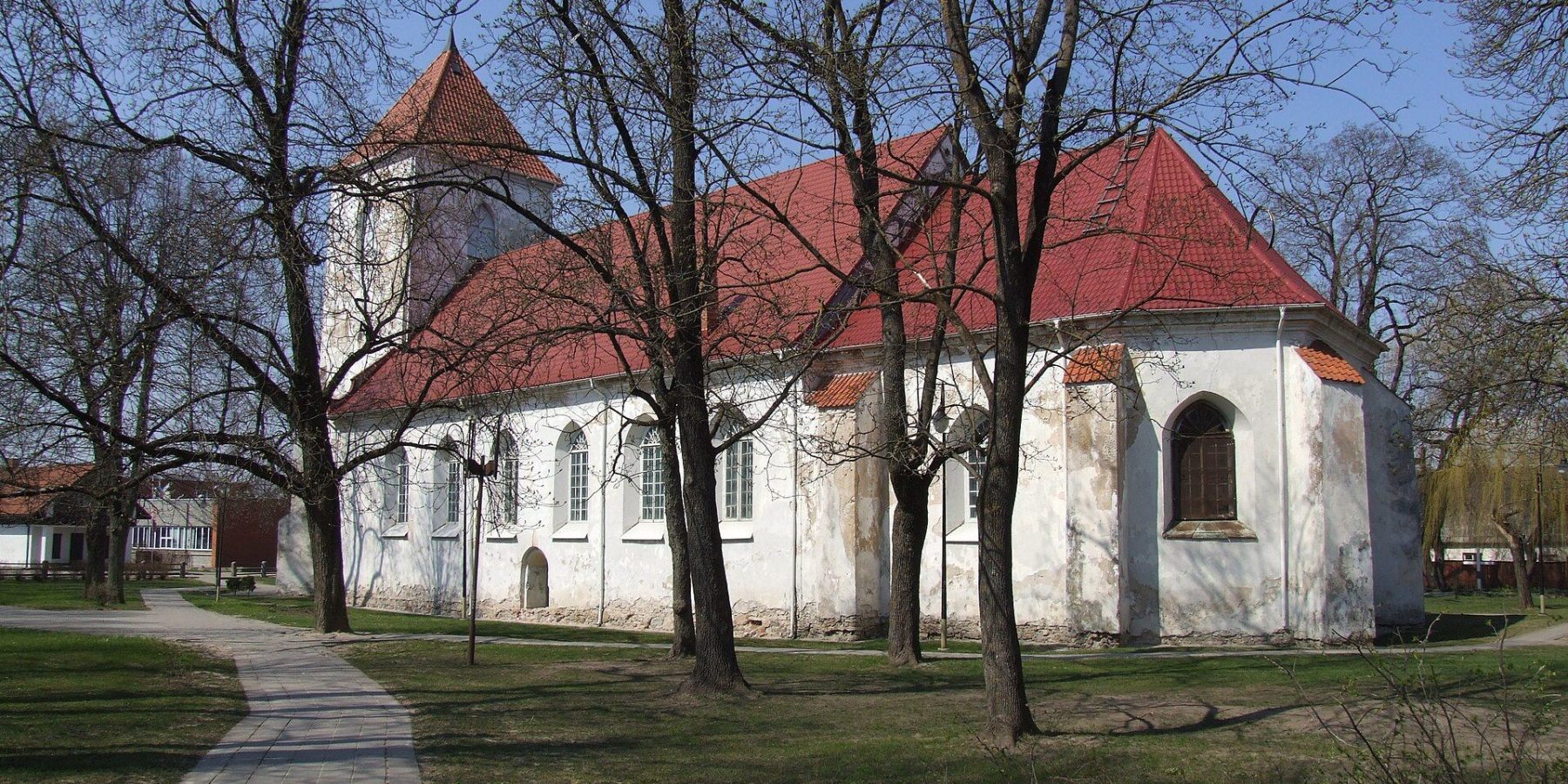
In Bauska’s old town rises a massive white tower with a low roof — the Lutheran Church of the Holy Spirit. It is one of the few late-16th-century churches in Latvia that survives almost in its original form, and inside you will find a Rococo pulpit, one of the oldest images of Bauska’s coat of arms and the largest organ in Zemgale.
At a glance
| Confession | Evangelical Lutheran |
| Built | 1591–1594 (without tower); tower 1614 |
| Style | Late Gothic, masonry |
| Pulpit | Rococo, 1762; gift of Senator N. von Korff |
| Organ | Case 1766; rebuilt by Mārtiņš Krēsliņš — the largest organ in Zemgale |
| Status | Protected cultural monument |
History
When Bauska moved from the peninsula by the castle to the bank of the Mēmele, it needed new churches. The Latvian congregation’s Holy Trinity Church was built in 1573, while the foundations of the German congregation’s Holy Spirit Church were laid in 1591; it was finished in 1594 — still without a tower. The tower was added at the west end in 1614, and in 1623 master Michael Ulrich of Arnstadt completed it with a cupola, spire and clock.
Lightning struck the spire in 1799, and in 1813 the damaged spire was taken down and replaced by the low hipped roof that remains today. During tower repairs in 2007, a sealed capsule was found under the weathervane and ball, containing documents from 1623, 1766 and 1813 and sixteen coins minted between 1575 and 1810; they are now kept at the Bauska museum.
Interior and organ
The altar was paid for in 1699 by a local nobleman, von Schoepping, but its present look dates from 1860–1861, when J. Doehring of Jelgava remodelled it and added a painting of Christ on the Cross. The Rococo pulpit was a gift from Russian senator N. von Korff in 1762, decorated with shells, latticework, angels and a dove, symbol of the Holy Spirit.
The pews themselves are part of the town’s history, the oldest dating from the mid-17th century. Sixteenth- and seventeenth-century gravestones, moved from the filled-in crypt in 1886, line the walls, along with two epitaphs (1677 and 1757). Von Korff donated the organ case in 1766, and in 1891 the instrument was rebuilt by Mārtiņš Krēsliņš of Jēkabpils, the first professional Latvian organ builder. It is still played at services.
Did you know?
The end of the oldest pew (c. 1640) is carved with the town seal — the oldest known image of Bauska’s coat of arms.
Visiting
- Where: Plūdoņa iela 13a, Bauska old town.
- When: open to visitors every day in the summer season; exact dates and hours vary from year to year. Sunday service at 10:00.
- Contact: +371 26609920 or +371 29227564.
- Etiquette: don’t walk around or take photos during services.
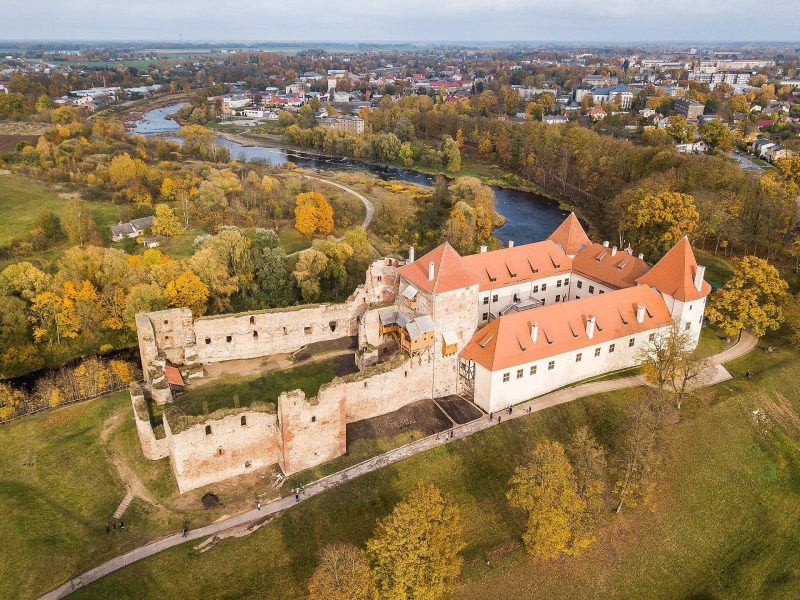
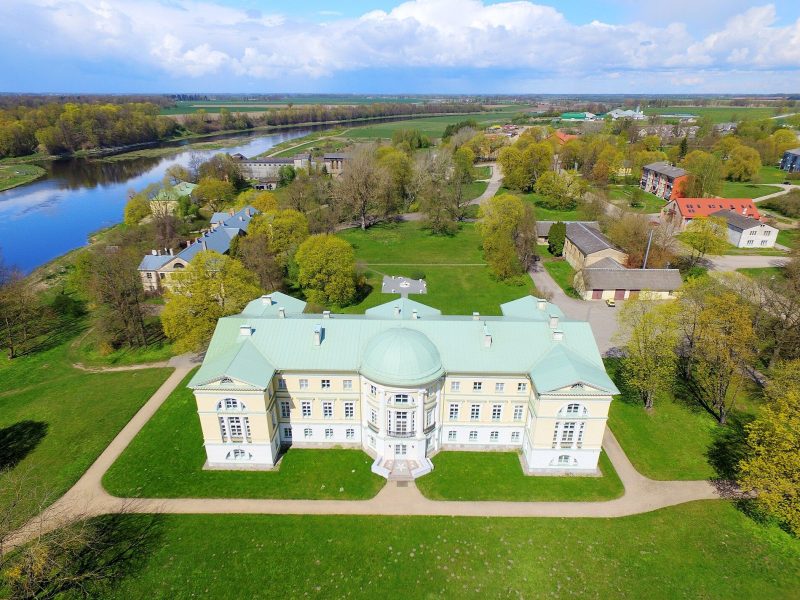
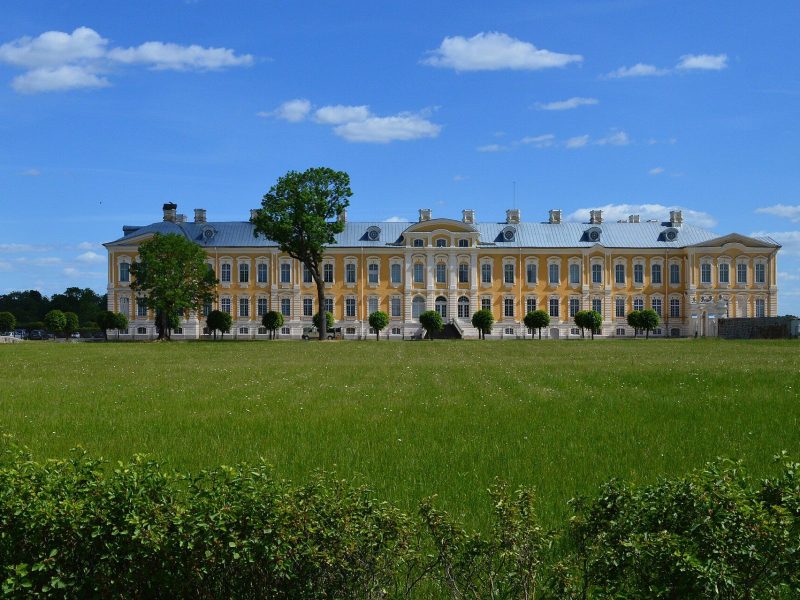
- Combine with: Bauska Castle is about a 15-minute walk away, Rundāle Palace about 12 km, and Mežotne Palace on the Lielupe.
FAQ
Why does the tower have no spire?
The spire was struck by lightning in 1799 and removed in 1813, replaced by the low roof that is still there.
Which is the largest organ in Zemgale?
The Holy Spirit Church organ, rebuilt in 1891 by Mārtiņš Krēsliņš; its case dates from 1766.
Is the church open in winter?
Regular visitor opening is in the summer season; outside it you can attend the Sunday service or contact the parish.
Sources: bauskasvecpilseta.lv; lv.wikipedia.org “Bauskas Svētā Gara baznīca”; en.wikipedia.org “Bauska Church of the Holy Spirit”; gotobaltic.redzet.lv. Hours can change — check before you go.