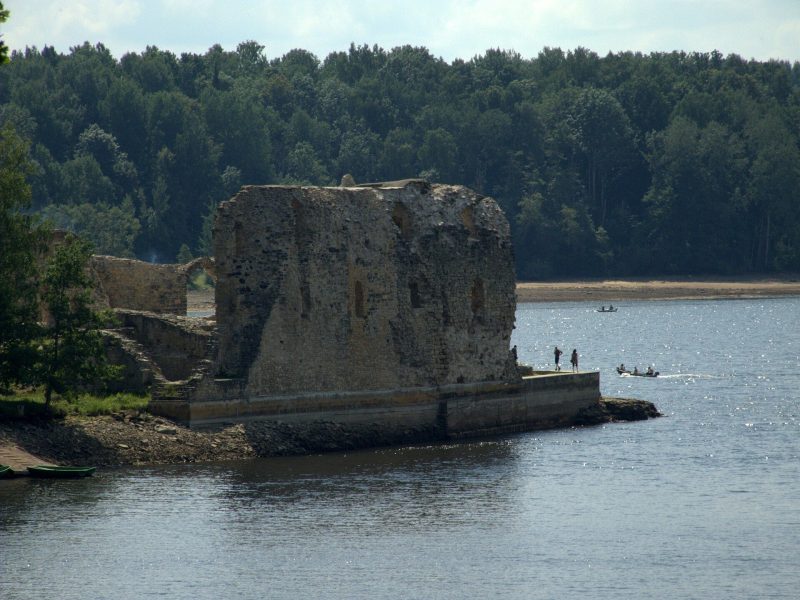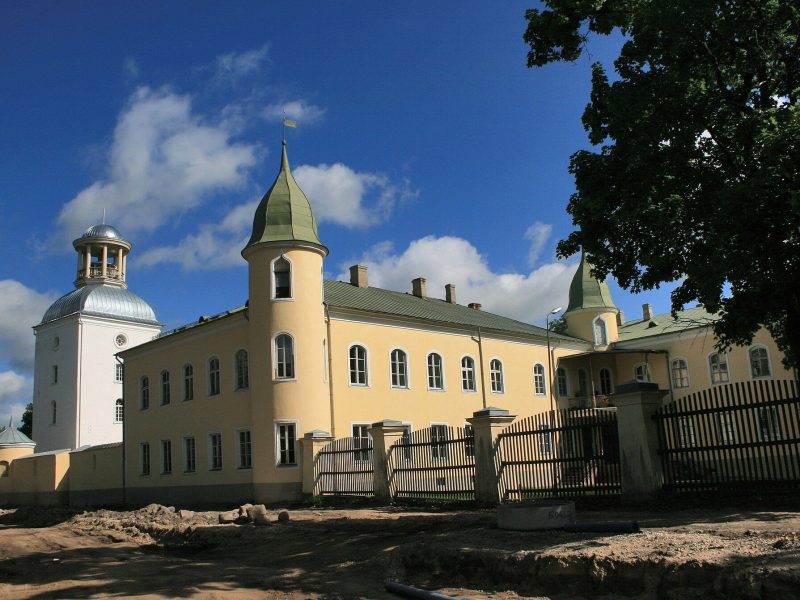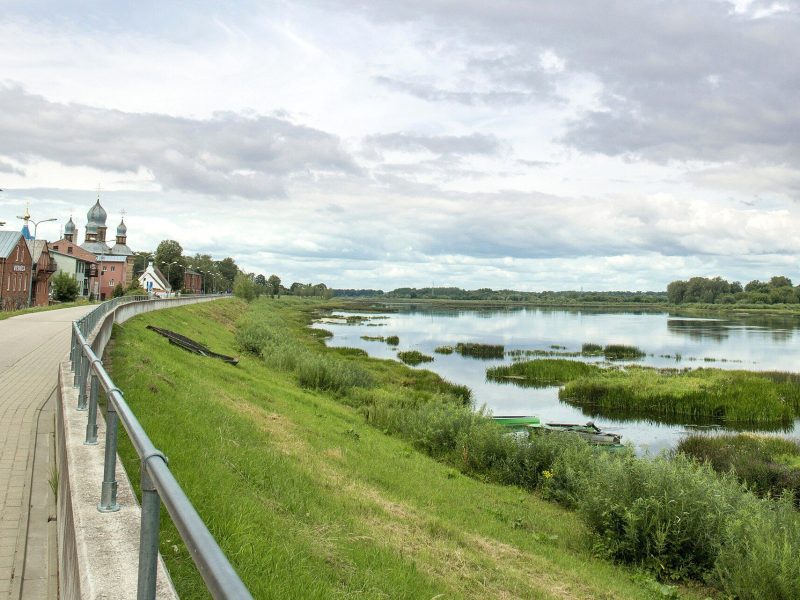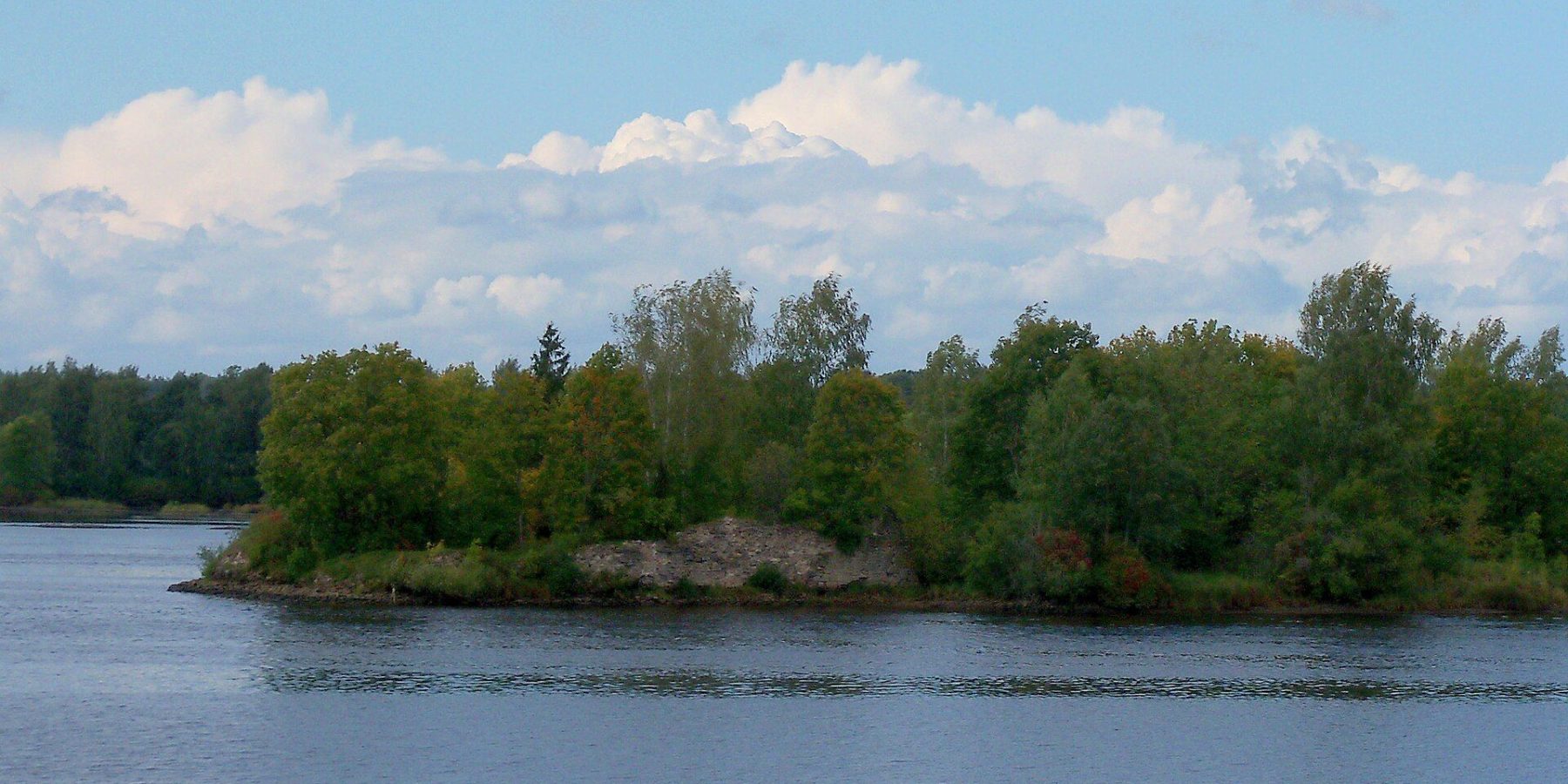
Sēlpils castle mound was once the heart of Sēlija — the political and military centre of the Selonians, later a castle of the Livonian Order and the Dukes of Courland. Today only its highest part survives, as an island in the Pļaviņas reservoir. Sēlija is a little-visited historical land, and Sēlpils is where its name comes from — so it is worth driving to Zvejnieklīcis on the Daugava bank, where a 3D model lets you compare the landscape with the lost castle’s silhouette.
At a glance
| Location | An island in the Daugava (Pļaviņas reservoir) by Vecsēlpils, Sēlpils parish, Jēkabpils Municipality |
| Viewpoint | “Zvejnieklīcis” open-air leisure area with an information stand and 3D castle model |
| Distance | ~17 km north-west of Jēkabpils, on the left bank of the Daugava |
| History | Selonian stronghold (heyday 10th–12th c.), Order castle, ducal residence; blown up in 1704 |
| Status | State-protected cultural monument (since 1998), municipal property |
| Visiting | Shore viewpoint — open access, free |
From Selonian stronghold to Order castle
The mound sits on a dolomite cliff on the left bank of the Daugava. Excavations in 1963–1965 found traces of people from the Stone Age, but the site was busiest in the 10th–12th centuries, when it was the main Selonian centre. The Chronicle of Henry of Livonia records that crusaders besieged the Selonian fort in 1208; outnumbered, the Selonians surrendered and accepted baptism. From 1218 to 1226 Sēlpils was the seat of the Bishopric of Selonia, and Bishop Bernhard of Lippe settled here.
The Livonian Order built a stone castle on the mound, combining hill-castle and shore-castle types and serving as a convent castle. From 1422 to 1559 it was the seat of the Selburg advocates — twelve are known by name. In 1559 the castle was pledged to Lithuania, and in 1566 Duke Gotthard Kettler moved his residence here; it later served as the duke’s residence in Semigallia.
Wars, explosives and a reservoir
After 1577 Sēlpils became a border fortress. In 1625 the army of the Swedish king Gustavus II Adolphus captured it; in 1627 the Poles retook and burned it. During the Great Northern War, in 1704, Saxon and Russian forces besieged it in vain, but that August, on the orders of the Swedish commander Adam Lewenhaupt, sappers sent from Riga blew the castle up and burned the town. In World War I the front line ran along the Daugava and the ruins lay in the combat zone.
When the Pļaviņas hydroelectric plant was built in the 1960s, its reservoir flooded most of the mound, leaving only the summit as an island mid-river. Only traces of the foundations are visible today. In 2022 Jēkabpils Municipality commissioned an architectural survey and a conservation project for the site.
What to see at Zvejnieklīcis
At the end of 2025 an Interreg Latvia–Lithuania project installed an information stand with a map of Sēlija’s historical lands and a 3D model of Sēlpils Castle at Zvejnieklīcis. The model is based on a 1704 drawing and the 2022 survey: stand beside it, look at the island where the castle stood and compare the two. The leisure area also has an open-air stage, sports grounds, parking, access to the river, rest areas and fire pits.
Did you know?
In Latin sources Sēlpils is Castrum Selonum — “the castle of the Selonians” — and in German Selburg. The whole area took its name from it, and the name of the historical land, Sēlija, is closely bound up with this spot.
Visiting
- Getting there: ~17 km north-west of Jēkabpils along the left bank of the Daugava to Sēlpils parish; the viewpoint is the “Zvejnieklīcis” leisure area.
- By water: in the 2026 season (April–31 October) the boat “Selis” from the Vīgante Park pier (Staburags parish) offered a 3-hour return trip to Zvejnieklīcis for groups of up to 36; ask for current prices on +371 28490667.
- Price and hours: the shore viewpoint is open access and free. The island itself is hard to reach and has no visitor facilities.
- Time needed: 30–60 minutes; longer with a picnic by the Daugava.
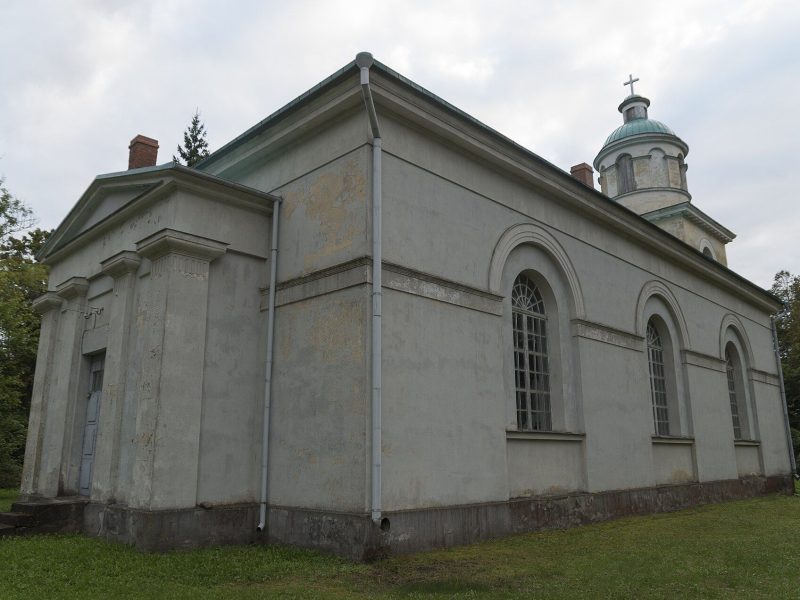
- Combine with: Sunākste Stender Church — Stender also served the Sēlpils parish; further south, Gārsene Manor.
- Info: Jēkabpils County Tourist Information Centre, Vecpilsētas laukums 3, Jēkabpils, +371 29555950.
FAQ
Can you walk to Sēlpils castle mound?
No. Since the Pļaviņas reservoir was created, the top of the mound is an island in the Daugava reachable only by boat. The best viewpoint is Zvejnieklīcis.
What is left of Sēlpils Castle?
Only traces of the foundations on the island. The 3D model at Zvejnieklīcis helps you picture the castle.
When was the castle destroyed?
In 1704, during the Great Northern War, it was blown up on the orders of the Swedish commander Adam Lewenhaupt.
Sources: lv.wikipedia.org “Sēlpils pils”; en.wikipedia.org “Sēlpils Castle”; visit.jekabpils.lv (Sēlpils castle mound, “Zvejnieklīcis”); latlit.eu (2026) on the information stand and 3D model; visitaizkraukle.lv (boat “Selis”).