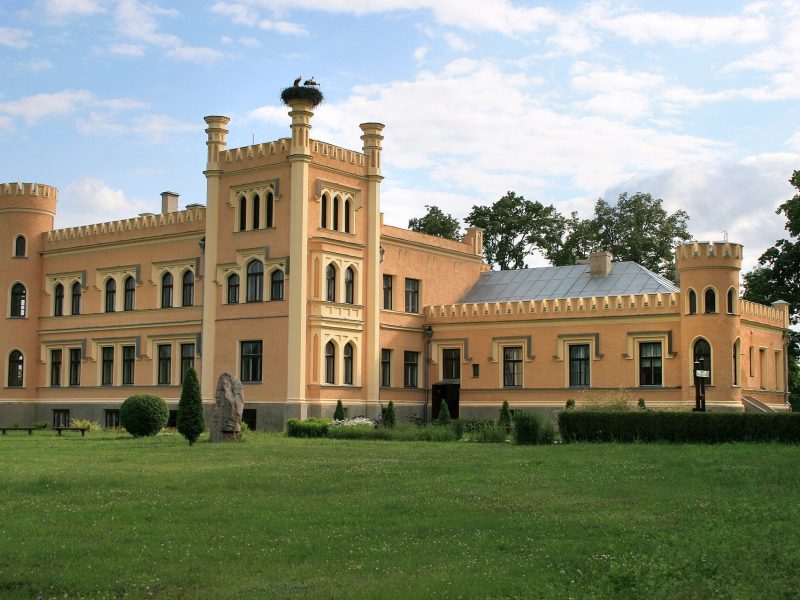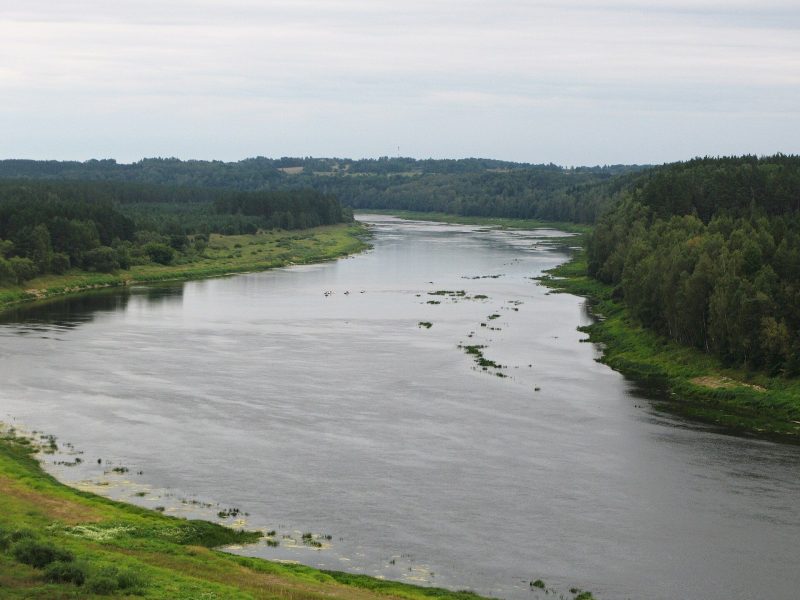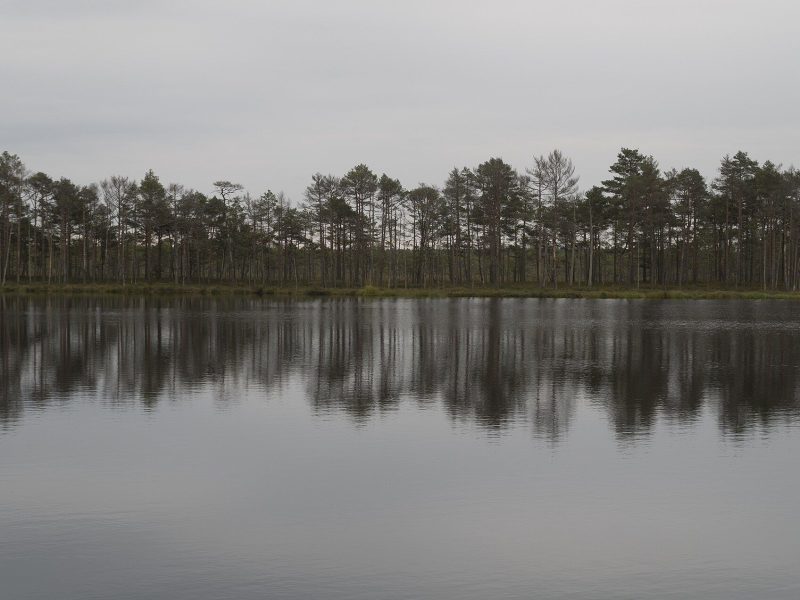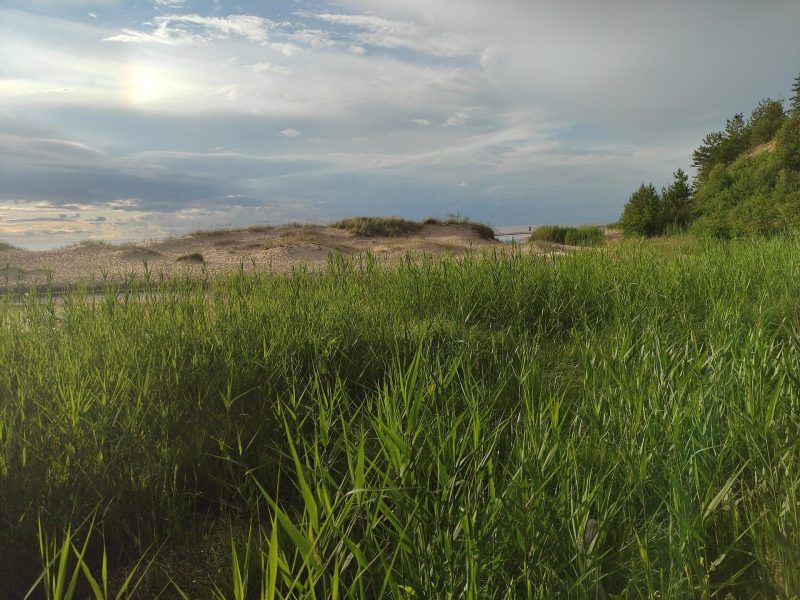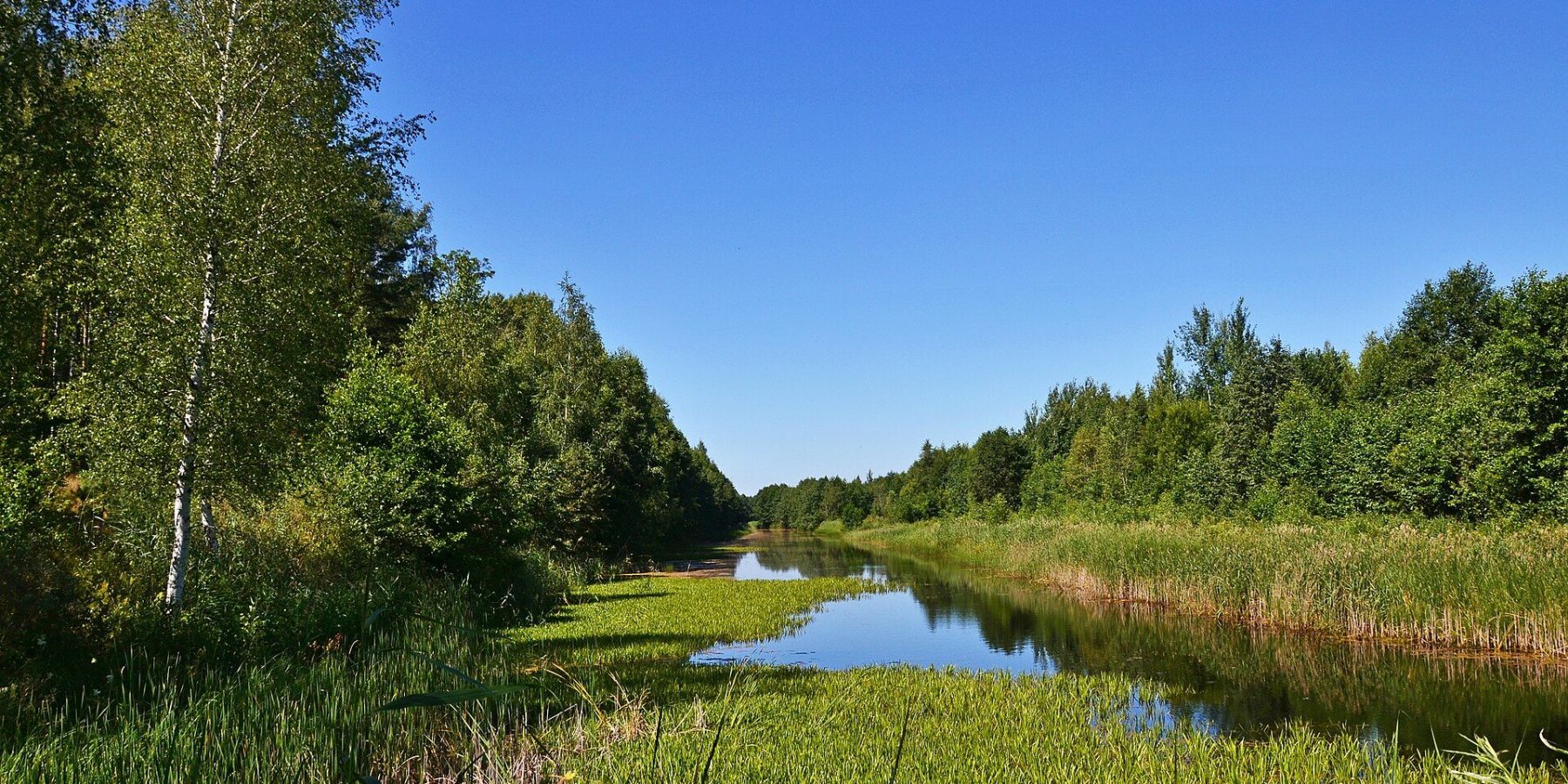
The Dviete floodplain in south-eastern Sēlija is where meadows turn into a lake each spring and the sky fills with skeins of geese. This nature park on the left bank of the Daugava, where the Dviete and Ilūkste rivers meet the Daugava, is one of the richest bird sites in Latvia. Sēlija is still a little-visited historical land, so you can watch birds here in peace — from towers on Lake Skuķi or from a boat across the flooded meadows.
At a glance
| Status | Nature park (since 2004), Natura 2000 site, Important Bird Area |
| Area | 4,989 ha |
| Location | Bebrene, Dviete and Pilskalne parishes (Augšdaugava Municipality) and Rubene parish (Jēkabpils Municipality) |
| Visitor centre | Dviete Valley Information Centre “Gulbji”, Putnu sala (Bird Island), Bebrene parish; +371 26109353, +371 20219770 |
| Bird towers | Two — on the south-west and north-east shores of Lake Skuķi |
| Best time | Spring floods and bird migration |
A river that flows backwards
The Dviete is a 37 km river that rises in the Ilūkste hills, crosses Lake Skuķi and Lake Dviete — the largest floodplain lakes in Latvia — and joins the Ilūkste just before reaching the Daugava. When the Daugava overflows in spring, the Dviete reverses direction and the floodplain becomes a huge lake. Locals call this the atbūda, the “fifth season”. Floods can stretch up to 20 km and cover about 8,000 hectares for one to four months. The biggest on record, in 1931, raised the water by more than 7 metres.
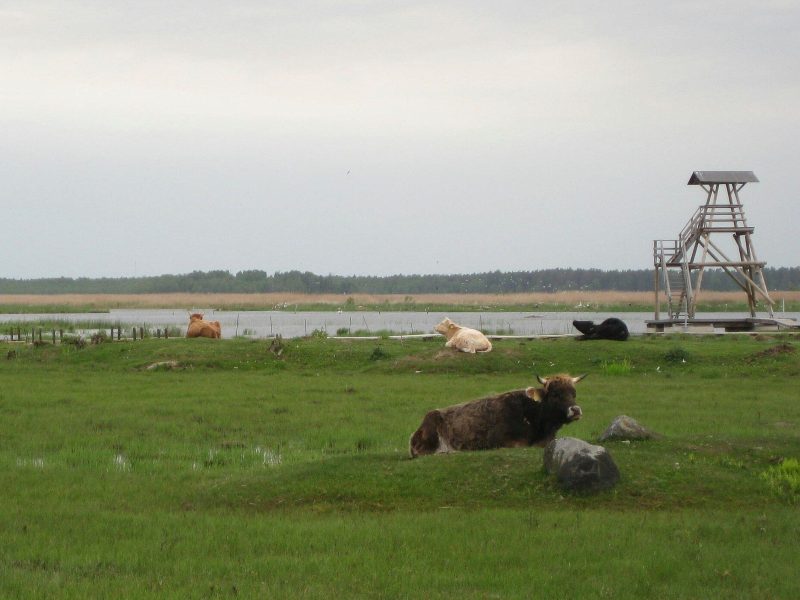
These regular floods keep the meadows fertile with Daugava silt. The lakes themselves are overgrown: drainage once lowered the water level by about one and a half metres, and in summer Lake Skuķi is ringed with reeds. To stop the meadows turning to scrub, hardy grazers — Highland cattle and konik horses — have been kept on the floodplain since 2006.
Birds and plants
The floodplain is listed as an Important Bird Area. During spring migration thousands of geese and ducks gather here — ornithologists once counted about 30,000 geese. It is a key nesting site for the corncrake, and at least 28 species from Annex I of the EU Birds Directive have been recorded, including the bittern, black stork, whooper swan, white-tailed eagle and lesser spotted eagle. More than 200 vascular plant species grow here, nine of them in the Latvian Red Data Book, such as the Baltic marsh orchid and Siberian iris. The protected mammal you are most likely to spot signs of is the beaver.
What to do
Start at the “Gulbji” information centre on Putnu sala, set up in summer 2008. You can learn about the nature and cultural heritage of the Dviete valley, book a guide and plan a route. From Putnu sala a path leads through the grazing enclosures to the first bird-watching tower on the south-west shore of Lake Skuķi, with a wide view over the floodplain and the overgrown lake. A second tower stands on the north-east shore. In flood season a 13 km boat route across the drowned meadows is popular; in drier months the area is easy to explore by bike or car.
Did you know?
Dviete’s horses have travelled as far as the Balkans: in January 2016, 45 konik horses from the floodplain herd were moved to the Lika plateau in Croatia, where Rewilding Europe released them into the wild.
Visiting
- Getting there: the floodplain is ~200 km from Riga. From Jēkabpils follow the left bank of the Daugava south-east towards Ilūkste; “Gulbji” is in Bebrene parish.
- Hours and prices: the nature park is open access; check visitor-centre hours and guide services on +371 26109353 or turisms@bebrene.lv.
- Bring: binoculars and waterproof boots — the path to the tower can be muddy or flooded. Follow bird-watching etiquette and stay on the path through the enclosures.
- Time needed: half a day; a full day with a boat trip in flood season.
- Combine with: Gārsene Manor and the Jaunsudrabiņš Museum “Riekstiņi” on a Sēlija loop.
FAQ
When is the best time to visit the Dviete floodplain?
Spring, during the floods and bird migration, when the meadows go under water and thousands of geese and ducks gather. In summer cattle and horses graze and protected plants flower.
Are there bird-watching towers?
Yes, two — on the south-west and north-east shores of Lake Skuķi. The first can be reached on foot from Putnu sala.
Is there an entry fee?
The nature park itself is free to enter. Ask at “Gulbji” about guide and visitor-centre prices.
Sources: lv.wikipedia.org “Dvietes paliene”; LSM (2024) on the Dviete river; visitdaugavpils.lv and latgale.travel (Dvietes paliene, “Gulbji”); celotajs.lv (bird towers); manabebrene.lv (2016). Check flood conditions and access before you go.